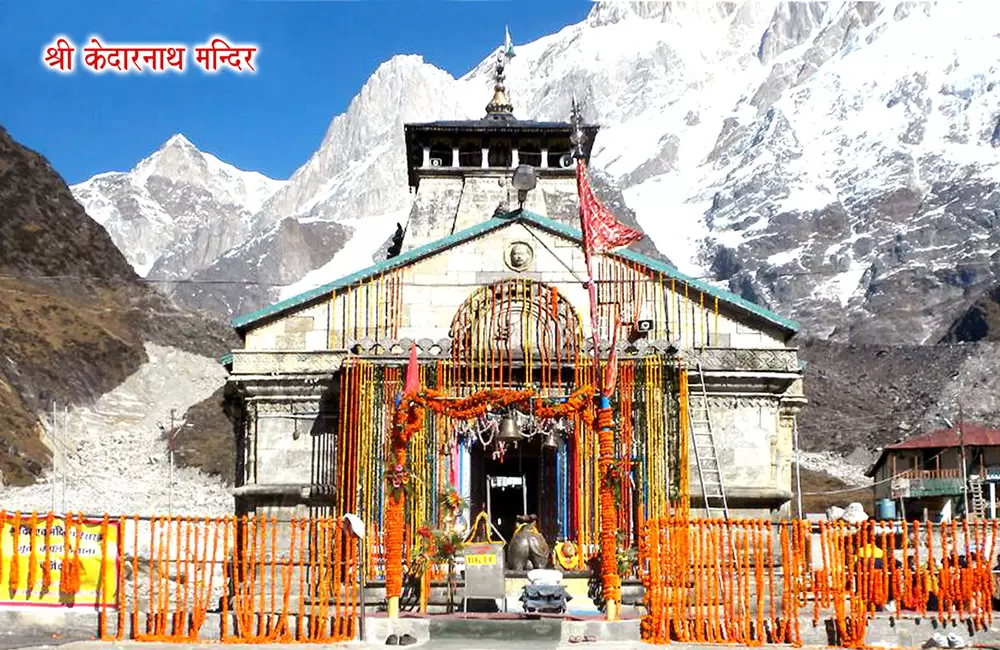
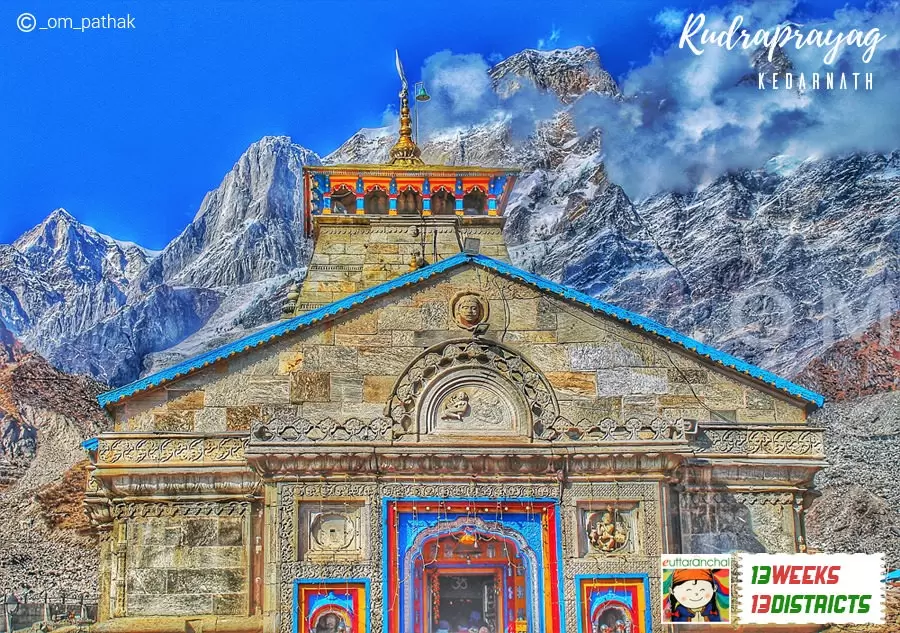
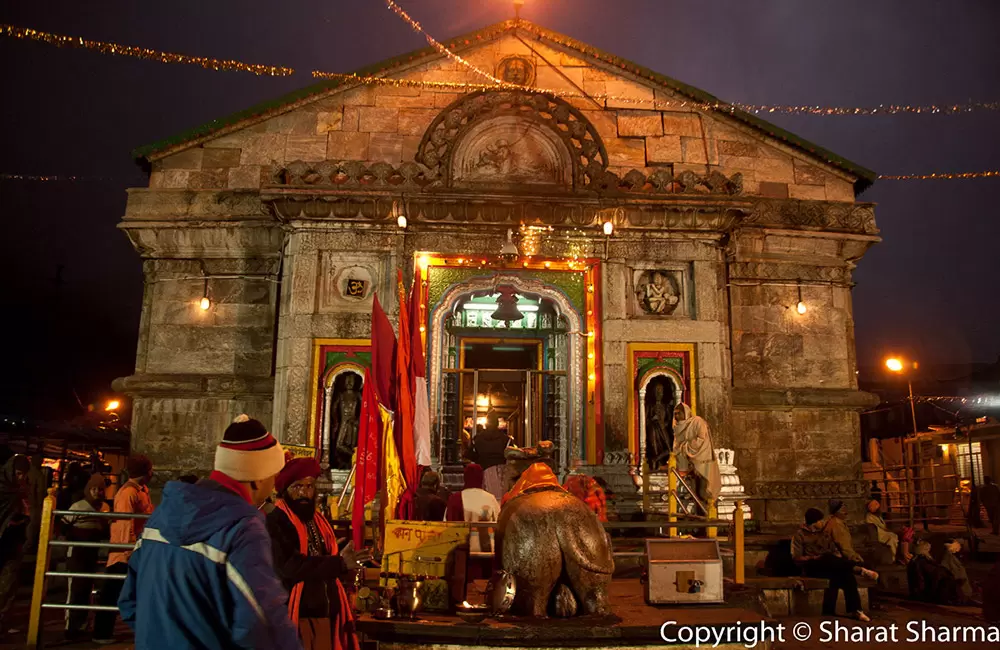
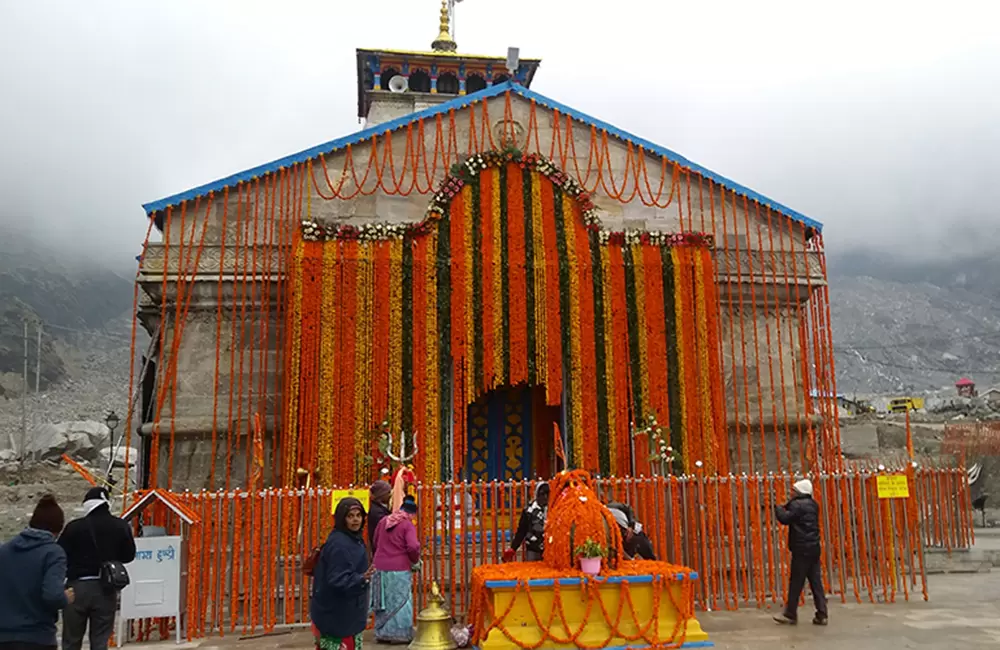
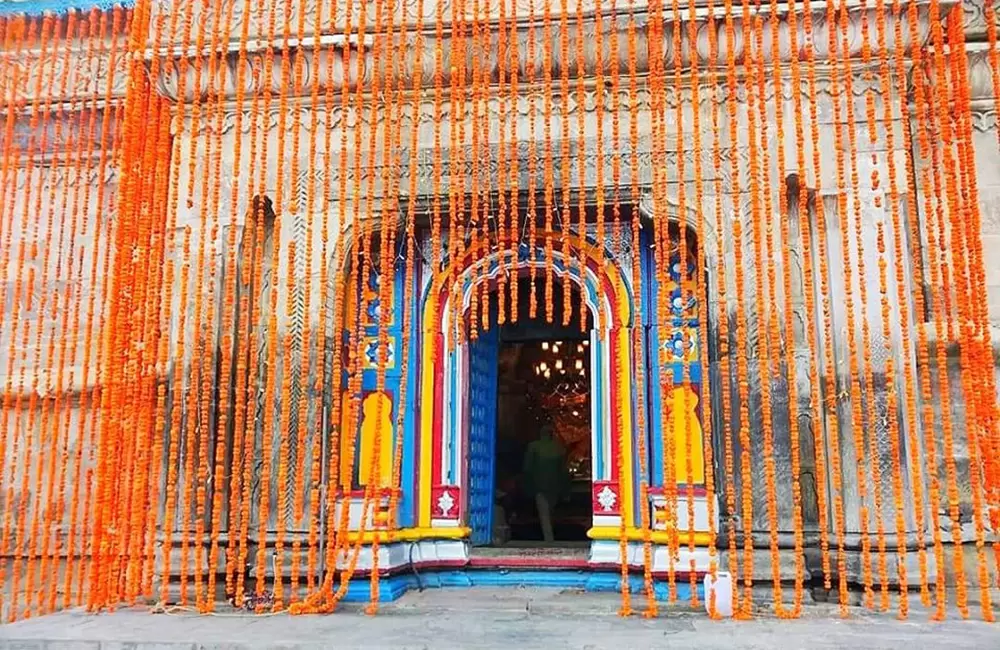
Kedarnath Temple is one of the most sacred Hindu pilgrimage sites and among the 12 Jyotirlingas of Lord Shiva. Located at an altitude of 3,583 meters in the Rudraprayag district of Uttarakhand, the temple stands majestically against the backdrop of the snow-clad Kedarnath range near the origin of the Mandakini River.
Kedarnath is an integral part of the Char Dham Yatra of Uttarakhand and holds immense spiritual significance for devotees of Lord Shiva. Due to its high-altitude Himalayan location, the temple remains open only for about six months each year.
Get Kedarnath Travel Guide, Kedarnath Dham 2026 Tips
: While the saree remains a global symbol of Indian elegance, modern lifestyles have popularized the salwar kameez , kurti , and western-fusion wear for daily comfort.
In specific cultures like the Khasi community , women hold primary social and inheritance rights, illustrating India's deep regional diversity. 👗 Lifestyle and Self-Image punjabi aunty boobs photo
Perhaps the biggest disruptor in the lifestyle of Indian women has been the smartphone. From rural entrepreneurs using WhatsApp to sell handicrafts to urban influencers redefining beauty standards on Instagram, technology has bridged the gap between the traditional and the global. It has provided a platform for voices that were previously silenced, fostering a new culture of independence and digital literacy. A Concluding Thought : While the saree remains a global symbol
. The women sit in a circle, their colorful dupattas creating a kaleidoscope. They discuss micro-loans for a new spice-grinding business [4]. In India, a woman’s social life is deeply intertwined with her community; joys are magnified through shared festivals like Karwa Chauth
India, a civilization of immense linguistic, religious, and regional diversity, presents a complex canvas for understanding women’s lives. The phrase "Indian woman" defies monolithic description; the lifestyle of a rural Dalit woman in Bihar differs radically from that of an urban, upper-caste professional in Mumbai. However, overarching cultural frameworks—rooted in dharma (duty), karma (action), and patriarchal kinship systems—have historically provided a common structural backbone. This paper explores how these traditional frameworks shape lifestyle (dress, food, daily routine) and culture (values, rituals, social expectations), while also analyzing the transformative pressures of globalization, education, and legal reform.
The cultural identity of an Indian woman has historically been tied to the concept of Grihasti (the household phase of life). Even today, regardless of whether she works 9-to-5 in a tech park, the management of the home is often viewed as her primary emotional jurisdiction.