

When we listen to survivor stories, we are presented with a choice. Do we offer "thoughts and prayers," or do we vote for better laws? Do we say "that's horrible," or do we intervene when we see unsafe situations in our own communities?
While #MeToo began with a single phrase from Tarana Burke, its explosion into a global movement relied on the aggregation of millions of . For decades, sexual harassment was hidden by non-disclosure agreements and shame. The campaign turned the silence into a roar. By sharing seemingly "small" stories (the inappropriate comment at work, the persistent follow-home) alongside larger traumas, the campaign redefined "normal." It proved that the problem wasn't a few "bad apples," but a rotten system. The result? A seismic shift in workplace policy, legal statutes of limitations, and public accountability. shkd357 ameri ichinose raped in front of her husbandrar top
For male-dominated issues like mental health and suicide prevention, campaigns have struggled to reach men. The Movember Foundation pivoted by using "survivor stories" told in the vernacular of men: blunt, humorous, and unpolished. Instead of clinical terms for depression, survivors spoke about "losing the plot," "drinking too much," or "driving past the bridge." By allowing survivors to be vulnerable without being weak, campaigns saw a 40% increase in men reporting they would reach out to a friend in crisis. The story gave them permission to act. When we listen to survivor stories, we are
For many survivors, the hardest battle isn't the event itself, but the silence that follows. Silence is often imposed by fear—fear of not being believed, fear of retaliation, or fear of being defined by the worst thing that ever happened to them. While #MeToo began with a single phrase from
To maximize the impact of survivor stories and awareness campaigns, it is crucial to approach these efforts with sensitivity and strategy. Campaigns should prioritize the well-being and agency of survivors, ensuring that their stories are shared with dignity and respect. Additionally, awareness efforts should be accompanied by concrete actions, such as policy changes, resource allocation, and community engagement.
Today, I want to talk about the transformative power of survivor stories and why awareness campaigns that center these lived experiences are not just "content"—they are lifelines.
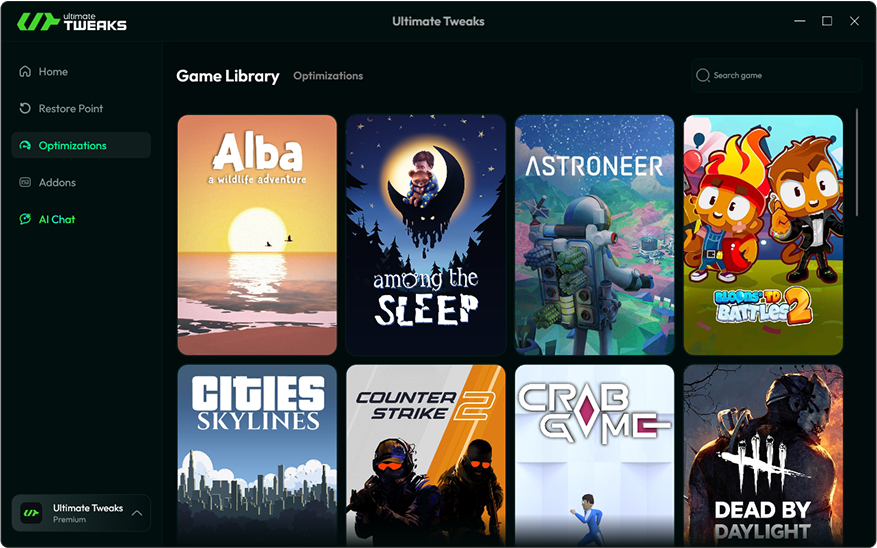
Explore our ever-expanding library of optimized titles—from the latest AAA releases to classic favorites. Every game benefits from tailored tweaks for maximum performance.
Supported Game libraries: