


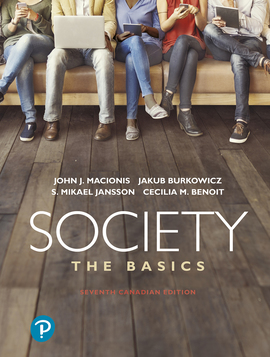
John J. Macionis was born and raised in Philadelphia, Pennsylvania. He began studying engineering at Cornell University before majoring in sociology and earning a bachelor’s degree. John received a doctorate in sociology from the University of Pennsylvania.


With years of experience across schools, community colleges, and universities, my primary goal has always been to offer the best-in-class material to my colleagues and students. In a rapidly changing world, it’s crucial that textbooks evolve as well. I believe that timely updates to book editions are essential to ensure relevance and accuracy, reflecting new knowledge. apps gsm frp dev cell top


By following these guidelines and using top-notch GSM FRP development apps, professionals and device owners can ensure device security, streamline device management, and stay ahead in the ever-evolving mobile technology landscape.
: A popular web-based platform that hosts a variety of third-party APKs. It is known for its wide support across brands like Samsung, OPPO, Xiaomi, Huawei, and vivo up to Android 13.
At its core, a “cell” phone is a marvel of miniaturization. But the modern smartphone is defined not by its hardware but by its software—“apps.” These applications transform the device from a communication tool into a universal remote for life. The desire for the “top” apps—the most popular, most powerful, or most exclusive software—drives consumer desire. However, this ecosystem is not a public square; it is a curated garden controlled by Apple and Google. The user is a tenant, not an owner.
By following these guidelines and using top-notch GSM FRP development apps, professionals and device owners can ensure device security, streamline device management, and stay ahead in the ever-evolving mobile technology landscape.
: A popular web-based platform that hosts a variety of third-party APKs. It is known for its wide support across brands like Samsung, OPPO, Xiaomi, Huawei, and vivo up to Android 13.
At its core, a “cell” phone is a marvel of miniaturization. But the modern smartphone is defined not by its hardware but by its software—“apps.” These applications transform the device from a communication tool into a universal remote for life. The desire for the “top” apps—the most popular, most powerful, or most exclusive software—drives consumer desire. However, this ecosystem is not a public square; it is a curated garden controlled by Apple and Google. The user is a tenant, not an owner.


Here is a forty minute video lecture that examines income inequality beginning with my own Kenyon campus and then investigates broader patterns of inequality in diverse work settings, including education, medicine, and the world of finance. The presentation also contrasts public perceptions to the reality of wealth inequality.