19 December 2023Banking, Climate Change, Impact Centre, Insurance, Investment, Nature, News, Policy, Pollution & Circular Economy, Social
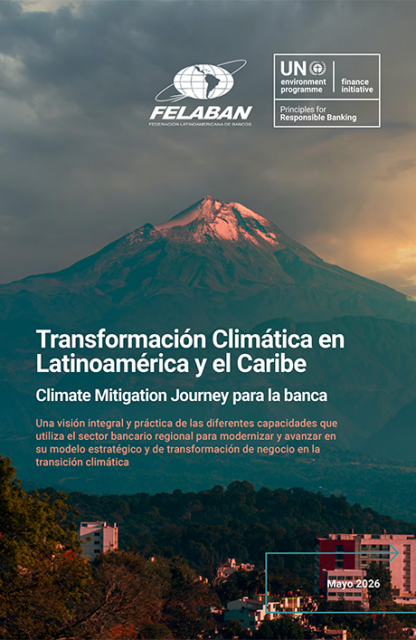
May 2026 | Banking, Climate Change, Latin America & Caribbean, Publications
Transformación Climática en Latinoamérica y el Caribe: Climate Mitigation Journey para la banca
Acceda aquí / Acesse aquiJapan Xxx Bapak Vs Menantu Mesum
: Historically, the "Bapak" figure represents a pillar of stability, often associated with a "breadwinner" role in a collectivist society that prioritizes group conformity. Japanese Intersection
The next time you see a newly built house in a rural Indonesian village, ask not "Who sent the money?" Ask "Who is missing from the dinner table?" The answer, more often than not, is a Bapak standing in a cold Japanese warehouse, dreaming of the heat and noise of home. japan xxx bapak vs menantu mesum
In Indonesian villages, the Japan Bapak is a hero. He is the pahlawan devisa (foreign exchange hero). Families boast of their Anak yang di Jepang (child in Japan). However, behind the newly renovated rumah (house) lies a man who works 12-14 hour shifts, lives in a dormitory with no family photos allowed, and faces a cultural landscape alien to the warmth of the Archipelago. : Historically, the "Bapak" figure represents a pillar
The comparison between Japan and Indonesia's approaches to social issues and culture offers valuable insights into the complexities of these two nations. While Japan's collectivist ethos and emphasis on social harmony have contributed to its remarkable economic development and social stability, they also raise concerns about individual freedom and creativity. He is the pahlawan devisa (foreign exchange hero)
In the vast tapestry of Asian sociology, two archetypes often emerge in stark contrast: the disciplined, emotionally reserved Japanese Sararīman (salaryman) who is an absent Bapak (father) at home, and the more present, emotionally expressive, yet often financially struggling Indonesian Bapak (father/husband). While both nations share a Confucian-influenced respect for hierarchy and family, the execution of fatherhood, masculinity, and social responsibility diverges radically.
Pak Slamet, meanwhile, never became rich. But at his son’s graduation, the whole kampung showed up with tumpeng (a cone-shaped rice dish). His son hugged him in front of everyone—something no Japanese bapak would ever allow publicly.
When a Japanese resident in Indonesia politely refuses to bribe a police officer during a traffic stop, it becomes a viral moment. It exposes the normalization of corruption in daily life. The Japanese Bapak becomes a moral compass, not because he is superior, but because his cultural baseline makes participation in petty corruption physically difficult for him.