Index Of The Matrix 1999
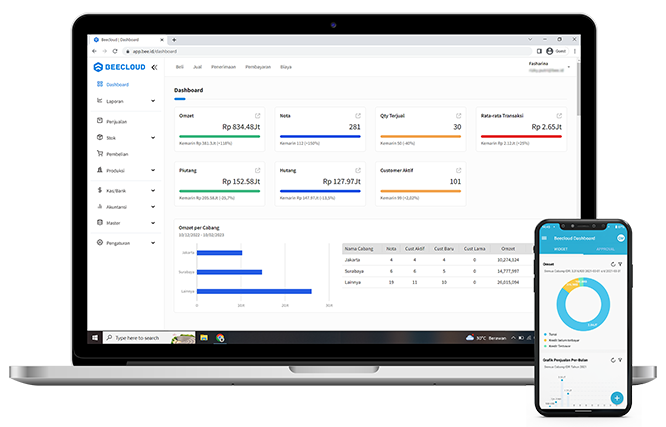
Didesain khusus untuk kontrol bisnis banyak cabang


















, where the world's population is kept in a perpetual digital loop of the late 20th century. Matrix Wiki | Fandom 1. Chronological Context The Simulated Year: Inside the Matrix, the year is perpetually
. Released on March 31, 1999, the Wachowskis didn't just give us a blockbuster; they handed us a
From our vantage, decades later, the term invites both nostalgia and critique. We can reconstruct parts of 1999’s matrix with web archives, academic citations, and oral histories — but we also see the lacunae. Many voices went unindexed. Many forms were ephemeral. The index we inherit is incomplete and biased. Recognizing that invites responsibility: in contemporary archiving and algorithm design, we must ask how future indices will codify our present.



, where the world's population is kept in a perpetual digital loop of the late 20th century. Matrix Wiki | Fandom 1. Chronological Context The Simulated Year: Inside the Matrix, the year is perpetually
. Released on March 31, 1999, the Wachowskis didn't just give us a blockbuster; they handed us a index of the matrix 1999
From our vantage, decades later, the term invites both nostalgia and critique. We can reconstruct parts of 1999’s matrix with web archives, academic citations, and oral histories — but we also see the lacunae. Many voices went unindexed. Many forms were ephemeral. The index we inherit is incomplete and biased. Recognizing that invites responsibility: in contemporary archiving and algorithm design, we must ask how future indices will codify our present. , where the world's population is kept in